


Are you a tradesperson?
Register for a Trade Account Today
And start saving with unbeatable wholesale pricing
£290.25 £348.30 incl. VAT
£0.52 £0.62 incl. VAT
High strength and low water absorption
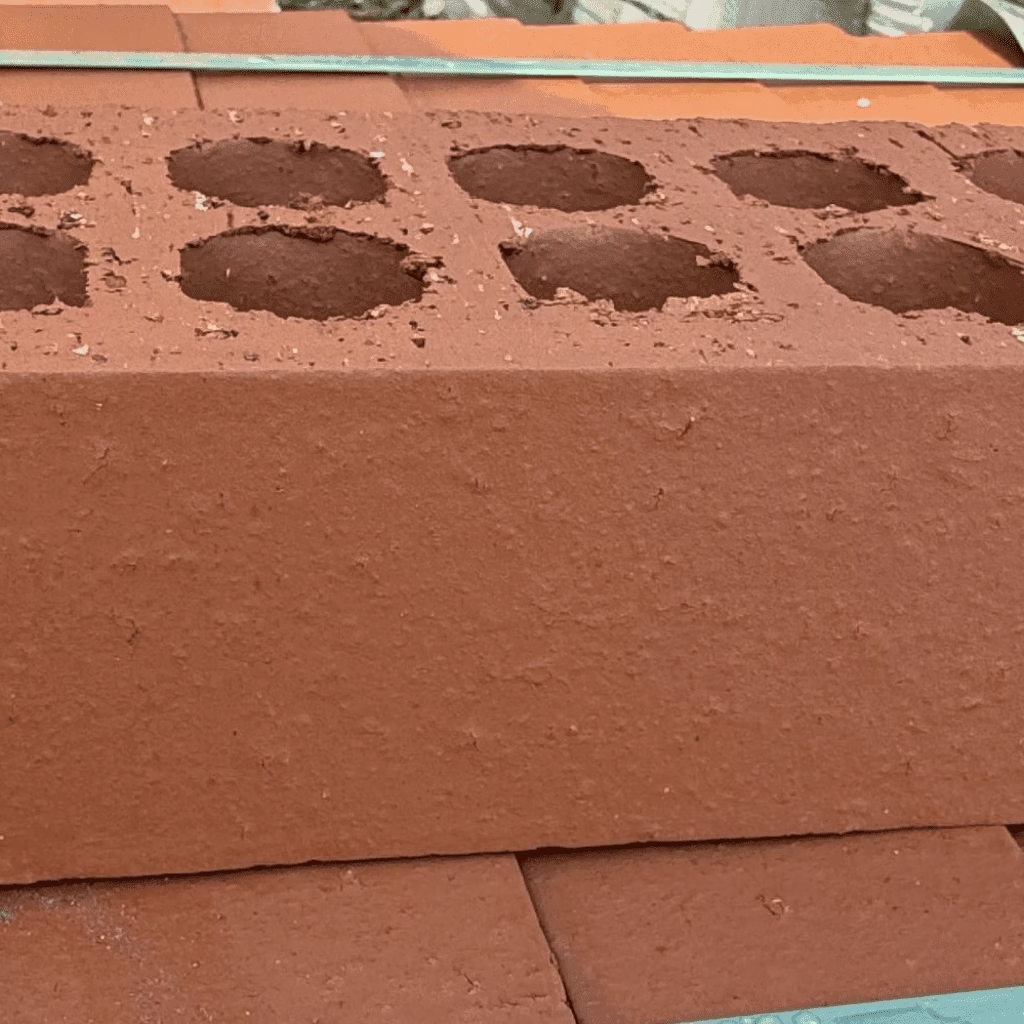
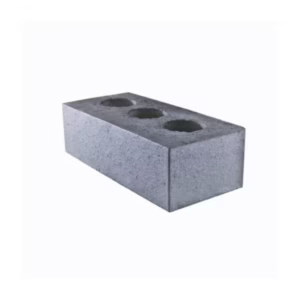
Class B engineering bricks are often used in construction due to their high compressive strength and water resistance, making them ideal for a wide range of structural projects. Their density enables them to withstand significant pressure and heavy loads, which is why they are often used in foundations, retaining walls, areas subject to heavy traffic and harsh environmental conditions.
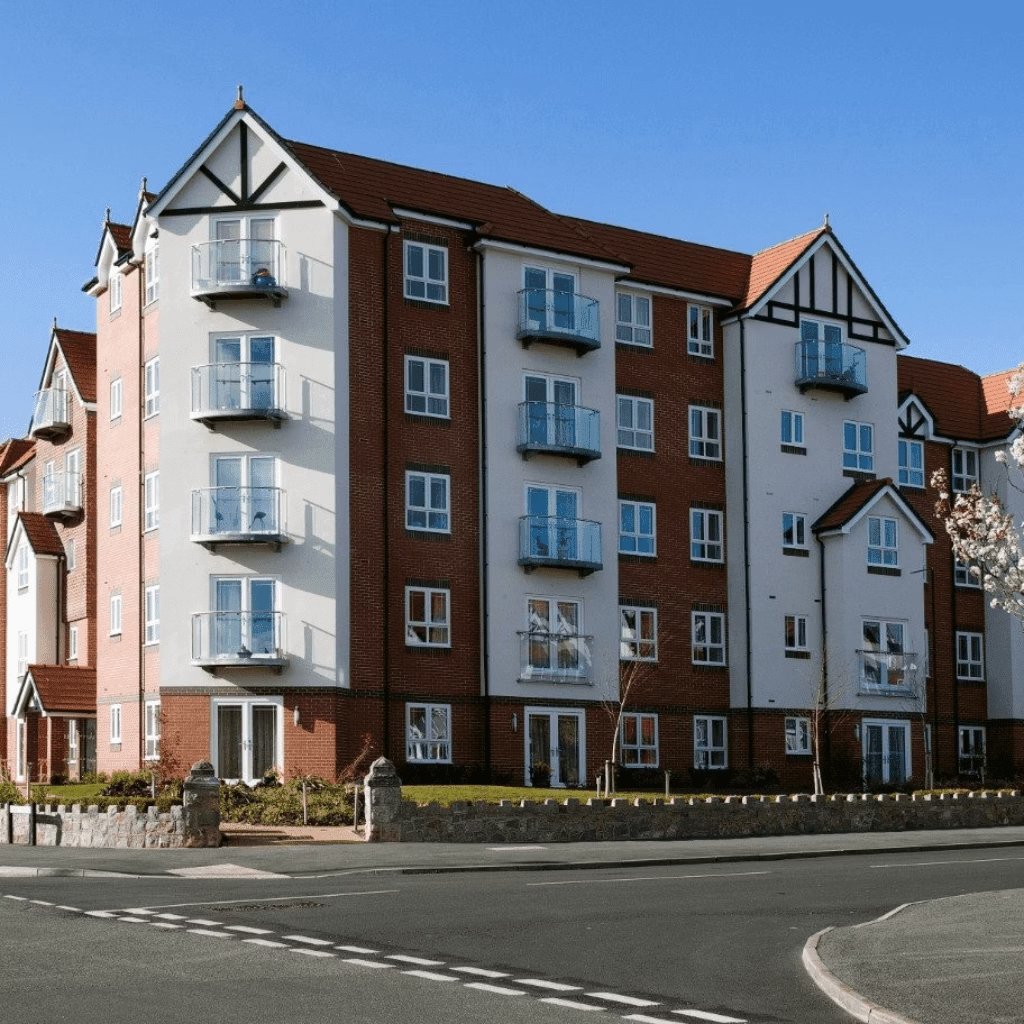
Engineering bricks are specified for their physical properties rather than their appearance, therefore when aesthetic performance is required, facing bricks should be used.
Low water absorption is a primary reason for their use with a 10% rating, this makes them highly resistant to moisture, preventing water ingress into the wall structure. This is vital for preventing problems such as rising damp, which can cause internal damage and weaking the structure over time.
For best results, it is important to follow proper site practices and workmanship when using these bricks to ensure optimal performance and durability.
You can do this by following this guide.
| Weight | 1.9 kg |
|---|---|
| Dimensions | 215 × 102 × 65 cm |
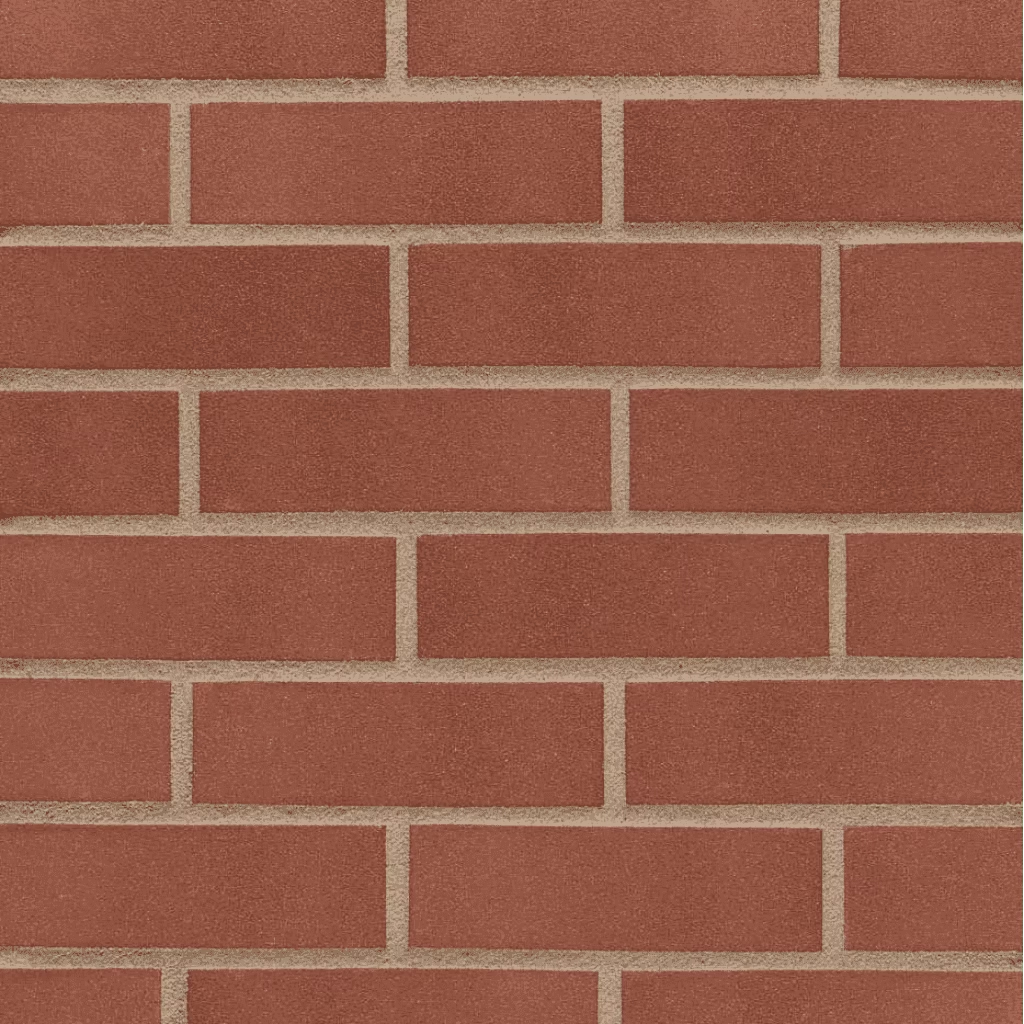
| Finish | Smooth |
| Height | 65mm |
| Length | 215mm |
| Material | Clay |
| MPN | 24190100 |
| Production Method | Extruded Wirecut |
| Depth | 102.5mm |
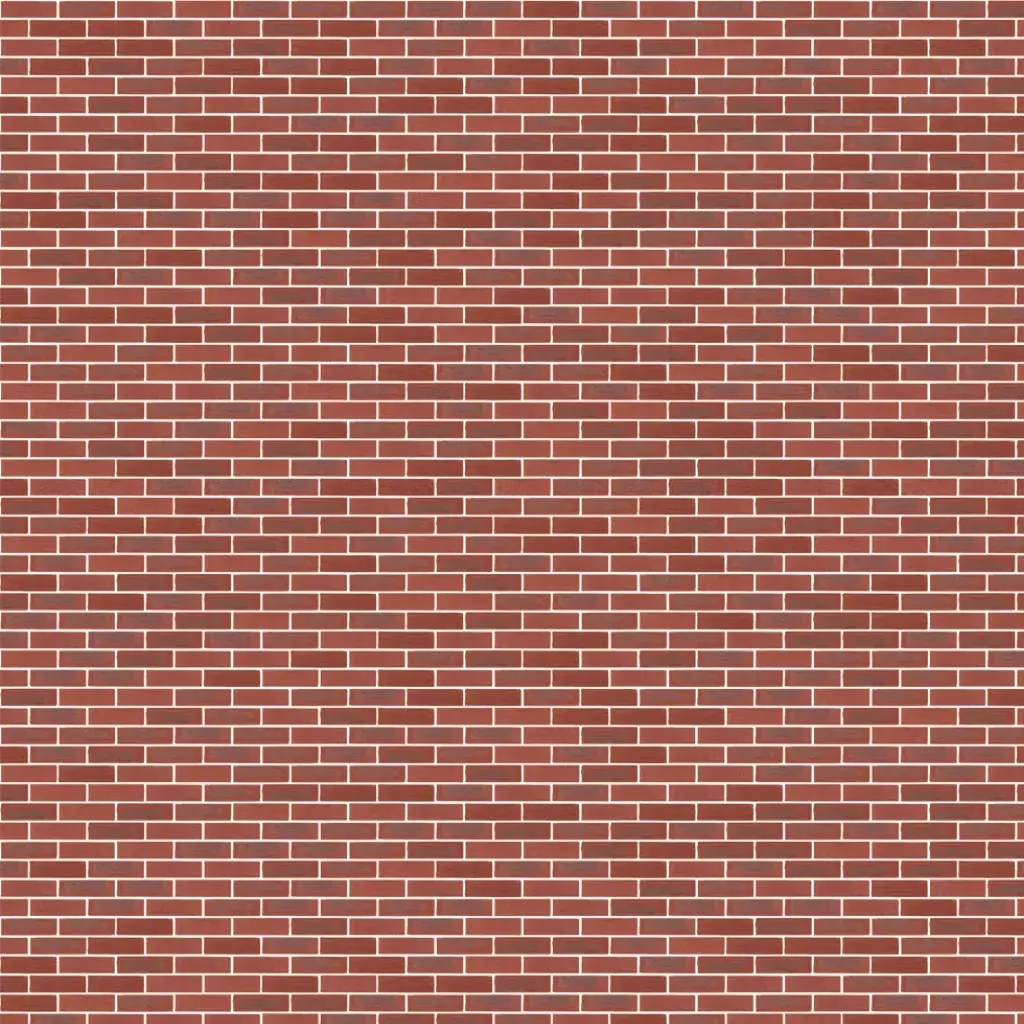
| Colour | Red |
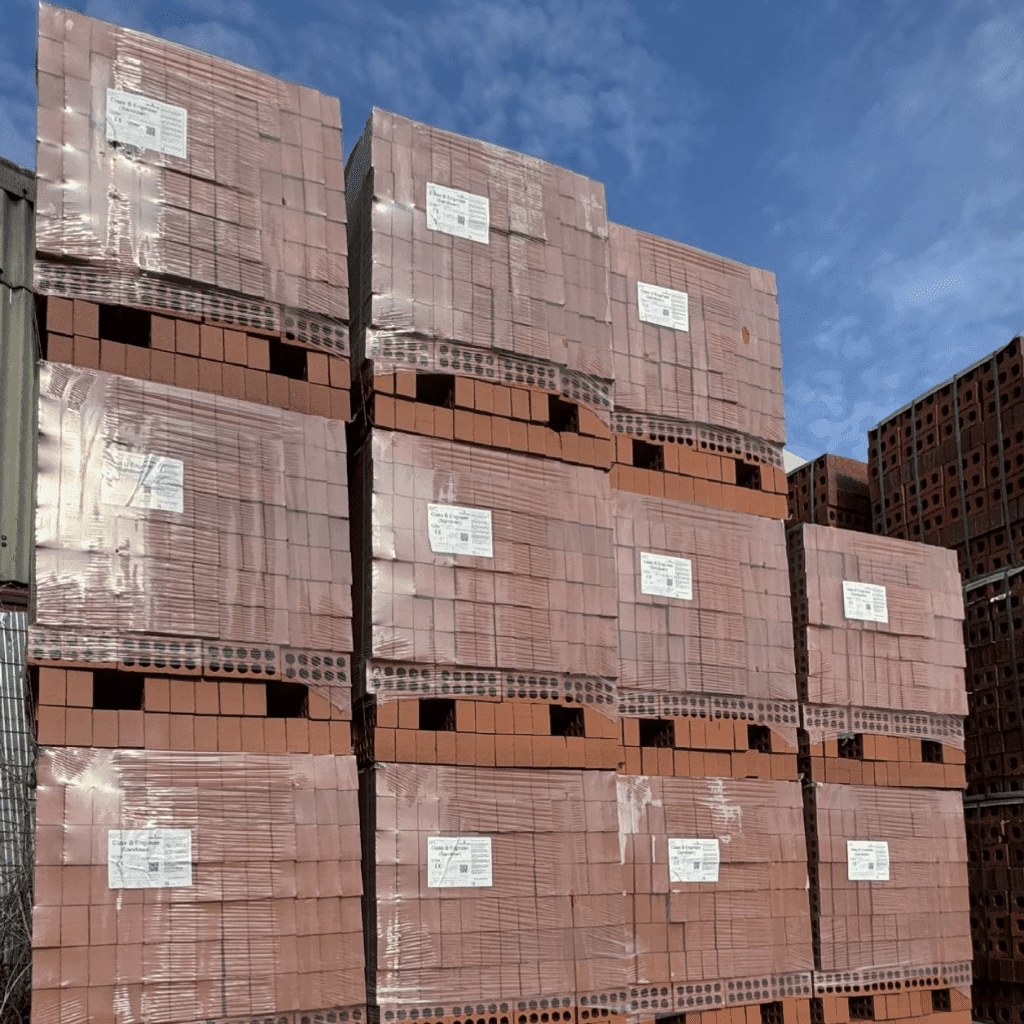
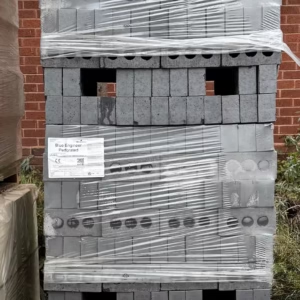
Wienerberger Sandown Class Bs are packed in 500s
While they can be used, it is generally recommended to avoid using them for facing work where appearance is important. Their appearance is secondary to their physical properties.
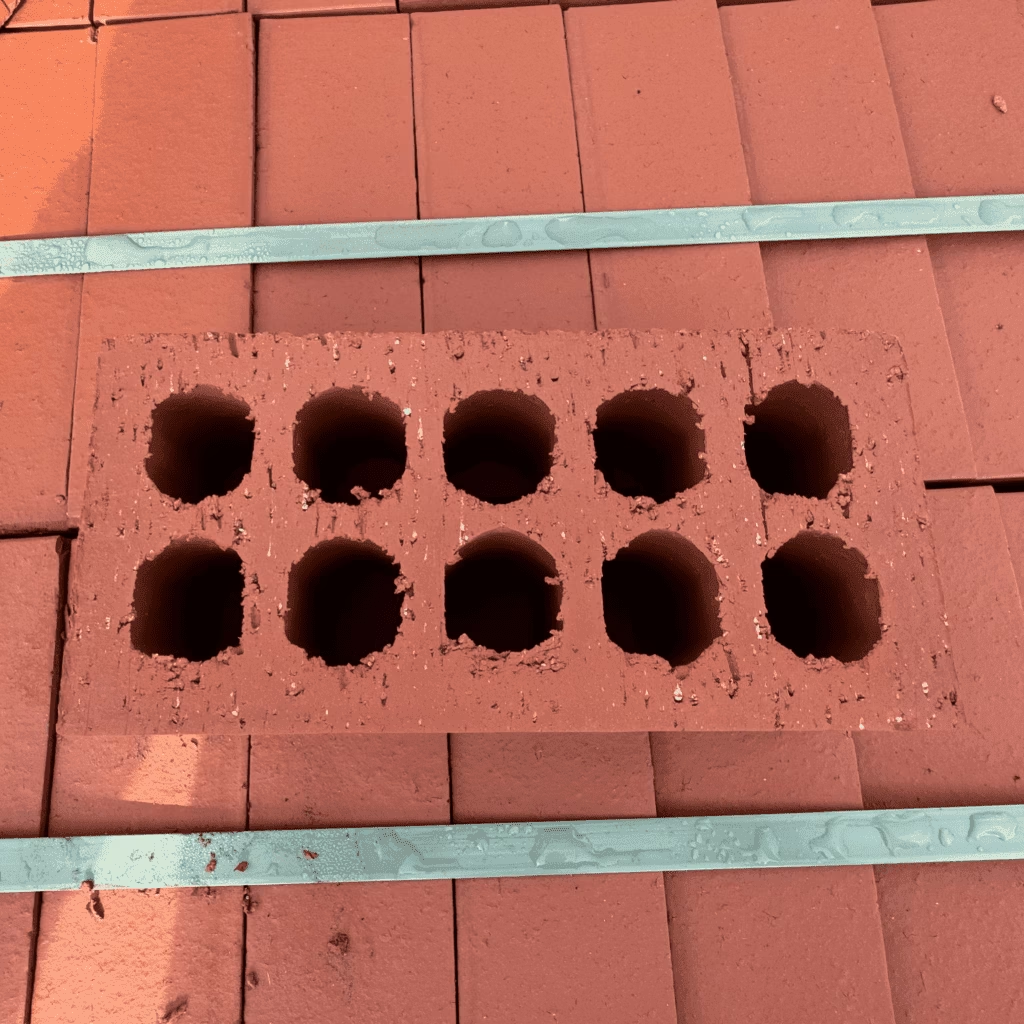
No, these bricks are perforated. Although we do sell a Class B Red Solid too if required.
One of the most critical stages is forming solid, long lasting foundations. Those foundations are built with bricks, and most of them will sit below ground level.
Below ground, bricks need extra strength and durability to cope with constant moisture and load over time. You also don’t want to bury expensive, attractive facing bricks where they’ll never be seen.
That’s where engineering bricks come in. Unlike standard clay facings, which can vary in texture and porosity, engineering bricks have very low water absorption. This helps limit damp and keeps the structure drier.
And because they’re chosen for performance rather than appearance, their looks are less important which usually makes them a more cost effective choice than facing bricks for foundations and other unseen work.
Wienerberger manufacture clay facing bricks and engineering bricks used in residential, commercial and architectural masonry projects. Their brick ranges are commonly selected where durability and the visual appearance of external brickwork are important.
We aim to deliver orders within 5 working days, although availability and delivery times may vary by stock status, and for products supplied directly by manufacturers.
Our local delivery area includes postcodes B, CV, DE11–15, DY, LE65, LE67, ST, SY1–6, TF, WR, WS and WV. Selected products can also be delivered outside these areas by courier. Please contact us for a quotation if no delivery rate appears at checkout.
Bulk deliveries are made kerbside. Customers must provide safe, suitable access and advise us of any restrictions affecting HGV or crane-lorry access. Weekend delivery is not currently available.
Only logged in customers who have purchased this product may leave a review.
And start saving with unbeatable wholesale pricing
Reviews
There are no reviews yet.