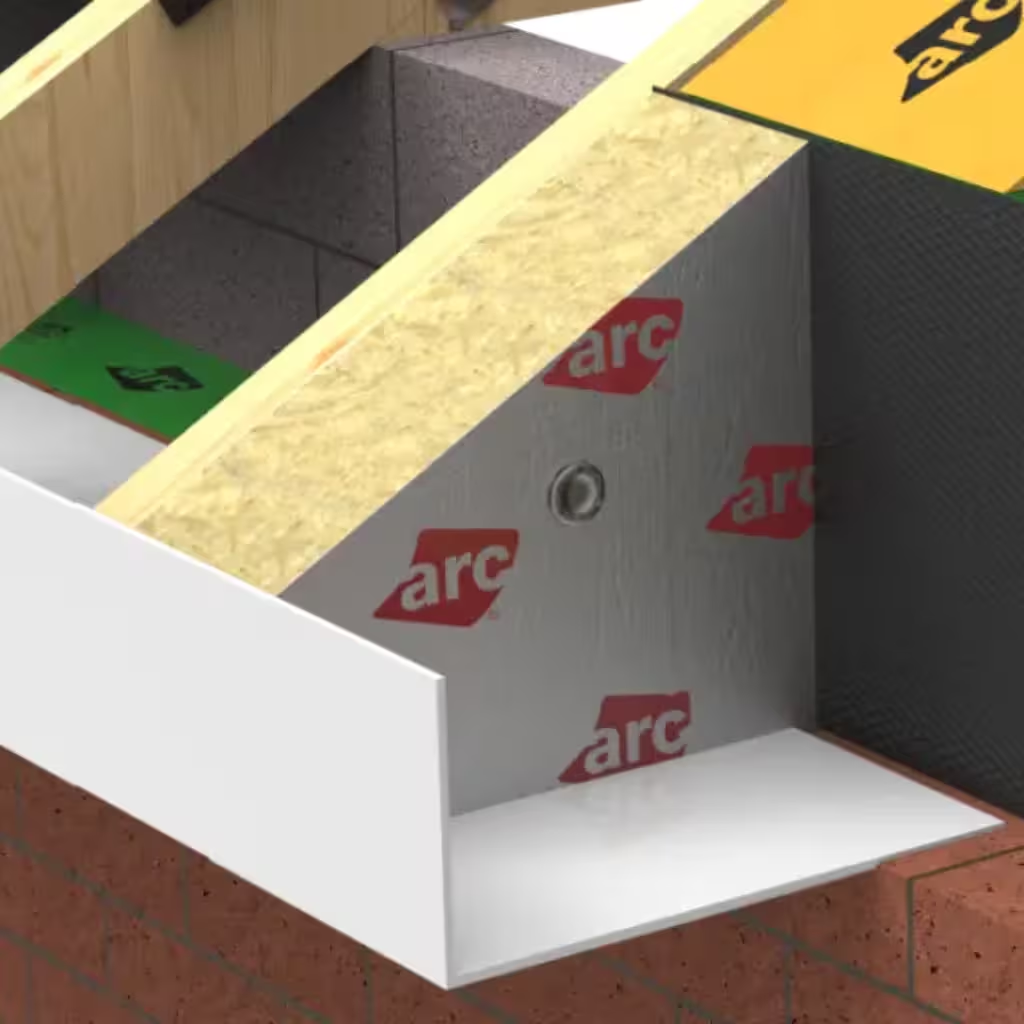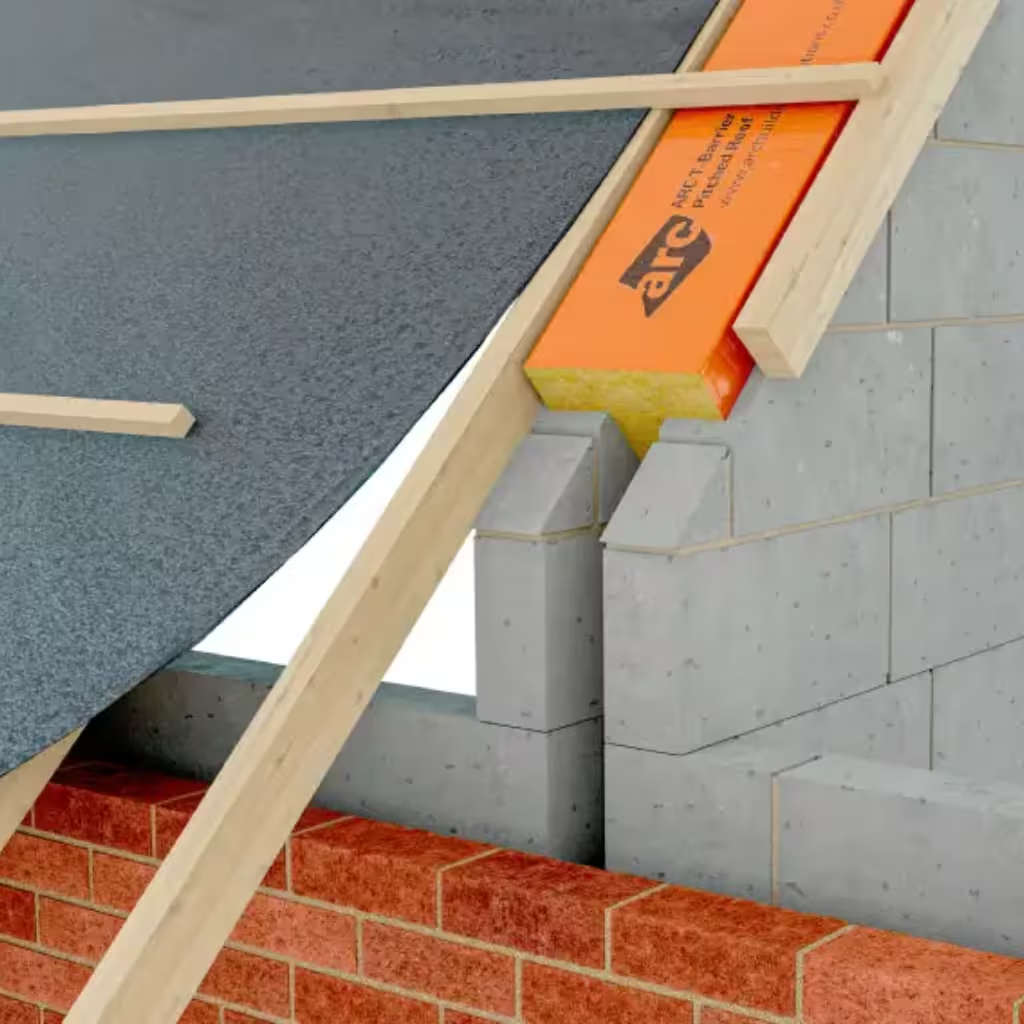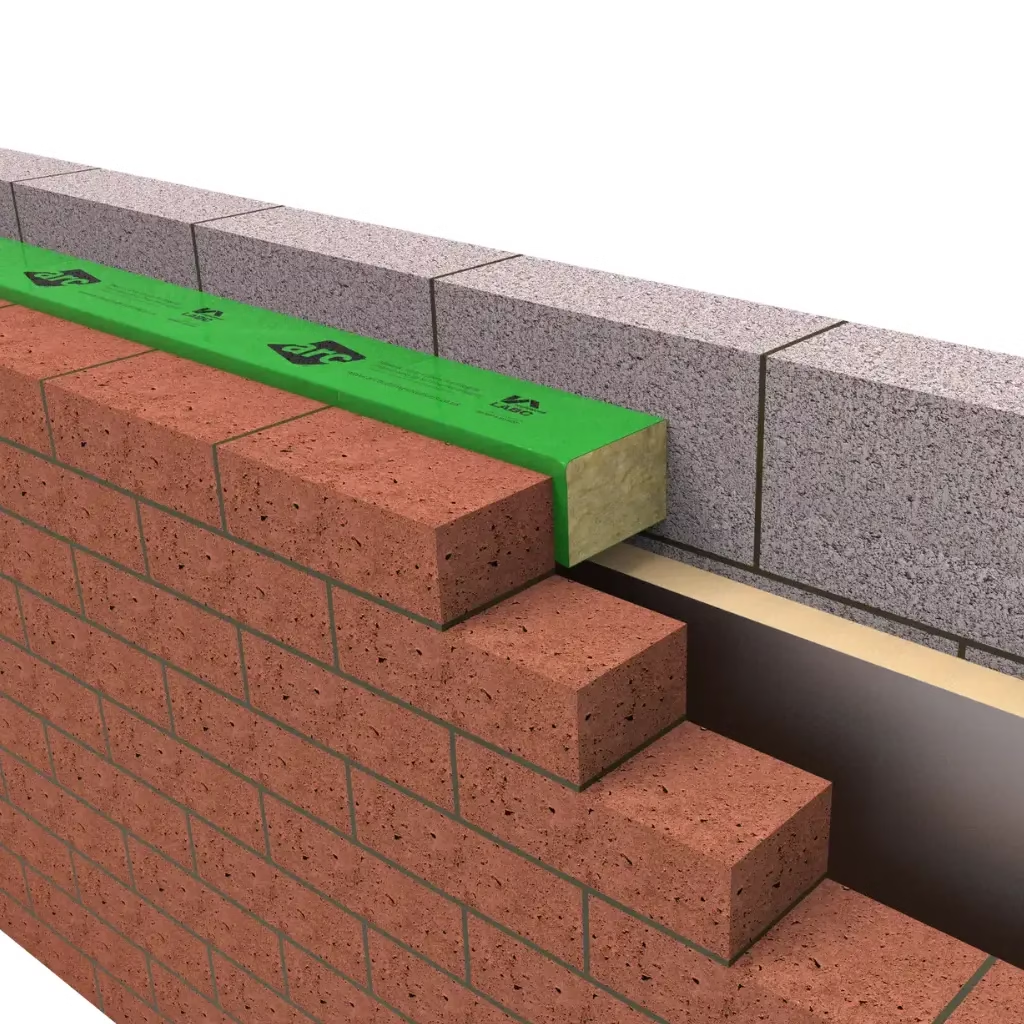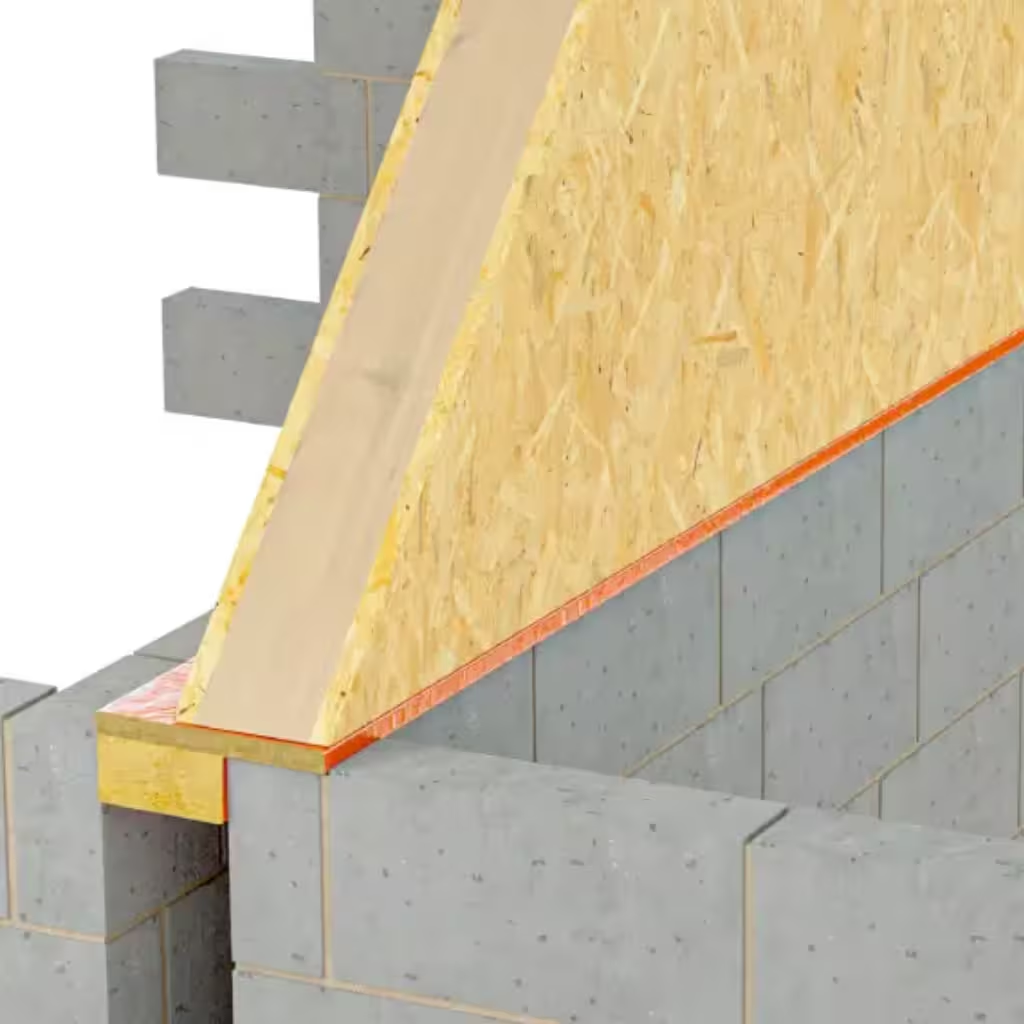
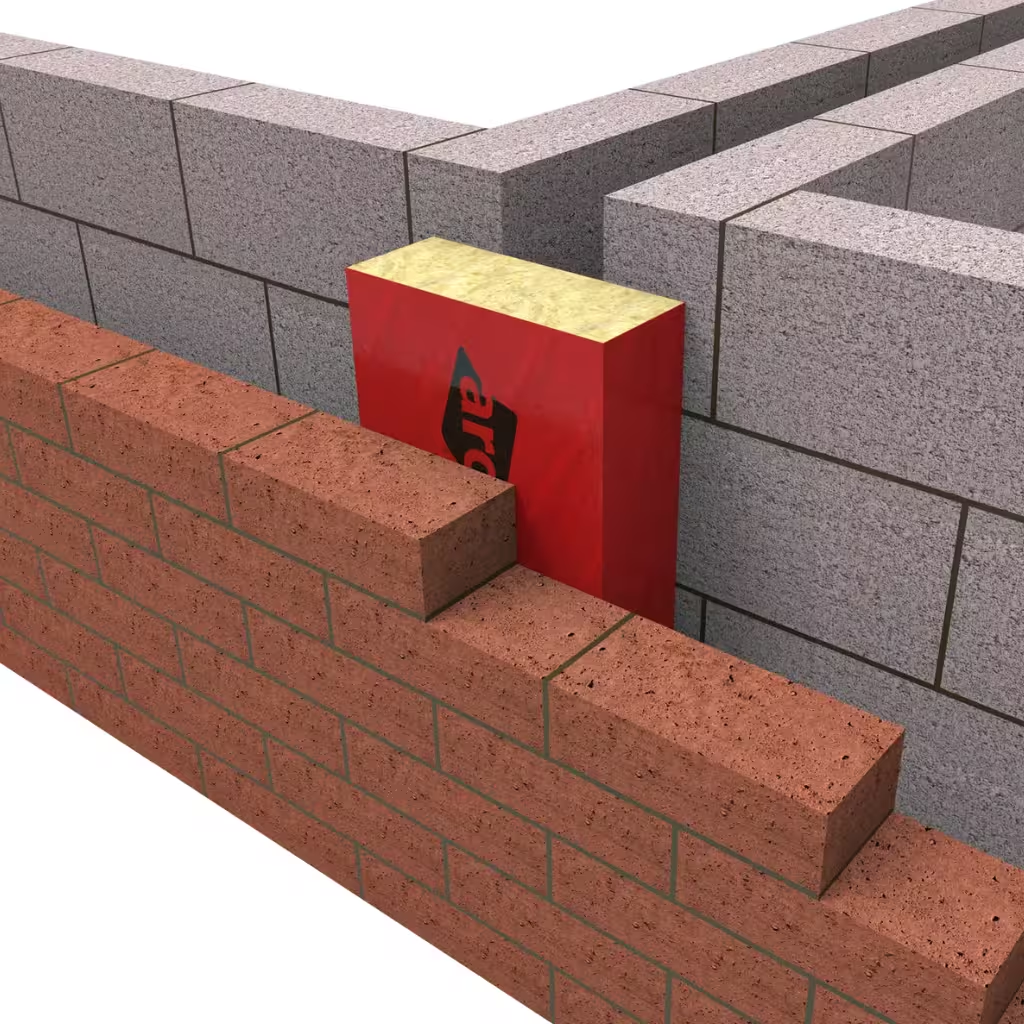
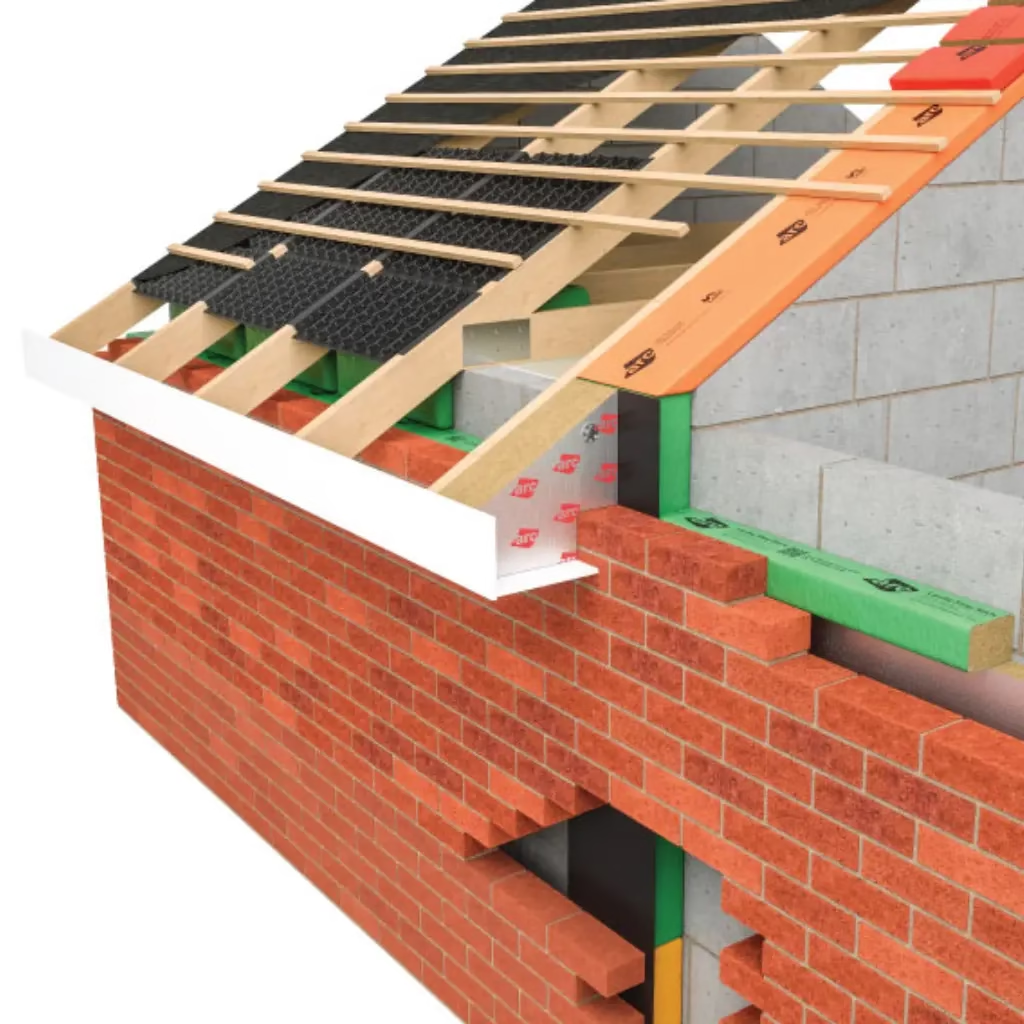
IFC-certificated fire-rated cavity barrier for party wall junctions. Compression fitted, no mechanical fixings required. Tested to EN 1366-4 with up to 4 hours fire integrity. Suitable for horizontal or vertical installation in masonry cavity walls.
£71.05 – £88.42Price range: £71.05 through £88.42

Are you a tradesperson?
Register for a Trade Account today
and start saving with unbeatable wholesale pricing
Apply for a Trade AccountFire-rated cavity barrier for masonry party wall junctions.
The ARC Party Wall Cavity Stop Sock is a third-party certificated cavity barrier designed to restrict the spread of heat and flames within the external wall cavity of low-rise masonry construction.
It is typically installed in line with a separating (party) wall in accordance with Approved Document B.
At 250mm wide, the PWCSS range is suitable for party wall cavities up to 150mm wide, allowing a minimum 50mm overlap either side of the party wall cavity.
The product is designed to satisfy cavity barrier requirements under Approved Document B (Volume 1 – Dwellings) where cavities must be closed around openings and at the junction between a separating wall and an external wall.
All performance claims are evidenced by IFC certification. Test reports and certification are available on request.
The ARC Cavity Stop Sock is designed to be compression fitted as brick and blockwork progresses. No mechanical fixing is required.
The barrier is supplied with a nominal 5mm compression allowance to accommodate minor site tolerances.
Key installation principles:
Construct the internal blockwork first. Build several courses of brickwork, then install the barrier before continuing.
Ensure correct compression is achieved and maintained as brickwork progresses.
Build brickwork up to the required level. Allow mortar to set before push-fitting the barrier into place under the correct compression.
The polythene sleeve provides weather protection and product identification only. It does not contribute to fire performance.
If damaged, performance is not affected, but it is recommended to leave it intact where possible.
Selection and installation of cavity barriers must align with the project’s fire strategy and Building Control requirements.
Responsibility for specification remains with the designer and principal contractor. Always refer to the latest edition of Approved Document B and the manufacturer’s datasheet before installation.
| Weight | N/A |
|---|---|
| Length | 1200mm |
| Thermal Conductivity | 0.037W/mK |
| Construction Type | Masonry |
ARC Cavity Stop Sock will provide fire and thermal properties when used around window and door openings. You will need to consider moisture penetration in your design as the product does not include an integral DPC.
ARC Cavity Stop Sock is fire rated and certified for use in a traditional masonry construction.
Please follow the guidance on our datasheet and within our product video.
The polythene sleeve is there to provide product identification and protection from the elements and should therefore be left in place. It does not add to the performance of the product so can be safely cut in to, and the product can still be used should the polythene be damaged.
The product does not include an integral DPC. A separate cavity tray or DPC should be installed where this is required by the location or type of building.